
LIBS · Elemental Analysis
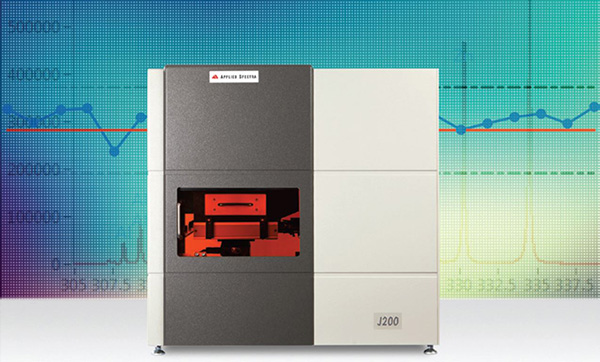
J200 LIBS
Versatile elemental analysis powered by advanced laser technology.
Overview
Direct, high-performance elemental analysis
J200 LIBS delivers direct, high-performance elemental analysis across a wide range of materials with minimal sample preparation. Its advanced laser and optical design provides high sensitivity and reproducibility while enabling exceptional analytical versatility — from rapid bulk analysis and precise localized measurements to elemental mapping and depth profiling.
A key advantage of J200 LIBS is its broad elemental coverage, including light elements such as Li, Be, C, N, O, F, and H that can be difficult to analyze using many conventional elemental techniques.
J200 LIBS directly analyzes challenging materials including glass, ceramics, silicon, quartz, refractory materials, slags, oxides, and other non-conducting materials. Precision sample visualization and targeting also enable highly localized analysis of small features and heterogeneous samples.
Key Capabilities
What J200 LIBS delivers
- Broad elemental coverage, including light elements
- Direct analysis with minimal sample preparation
- High sensitivity and measurement reproducibility
- Bulk and quantitative elemental analysis
- Precise localized analysis of small features
- 2D/3D elemental mapping and depth profiling
- Analysis of refractory and non-conducting materials
- Flexible configurations for diverse analytical needs
Applications
From research to routine analysis
J200 LIBS supports research, routine analysis, and quality-control applications across a broad range of materials.
- Battery materials and manufacturing
- Glass and ceramics
- Polymers
- MLCC and electronic materials
- Mined ores and minerals
- Semiconductor packaging
- Nuclear materials
- Advanced materials research
From Data to Analytical Insight
Powered by ClarityNeXt™
J200 LIBS includes ClarityNeXt™, Applied Spectra’s advanced data analysis and visualization software for quantitative and qualitative analysis, material classification, and 2D/3D chemical imaging. Advanced visualization and automated analytical workflows help users move efficiently from data collection to actionable results — whether performing chemical mapping, quantitative analysis, or material classification.